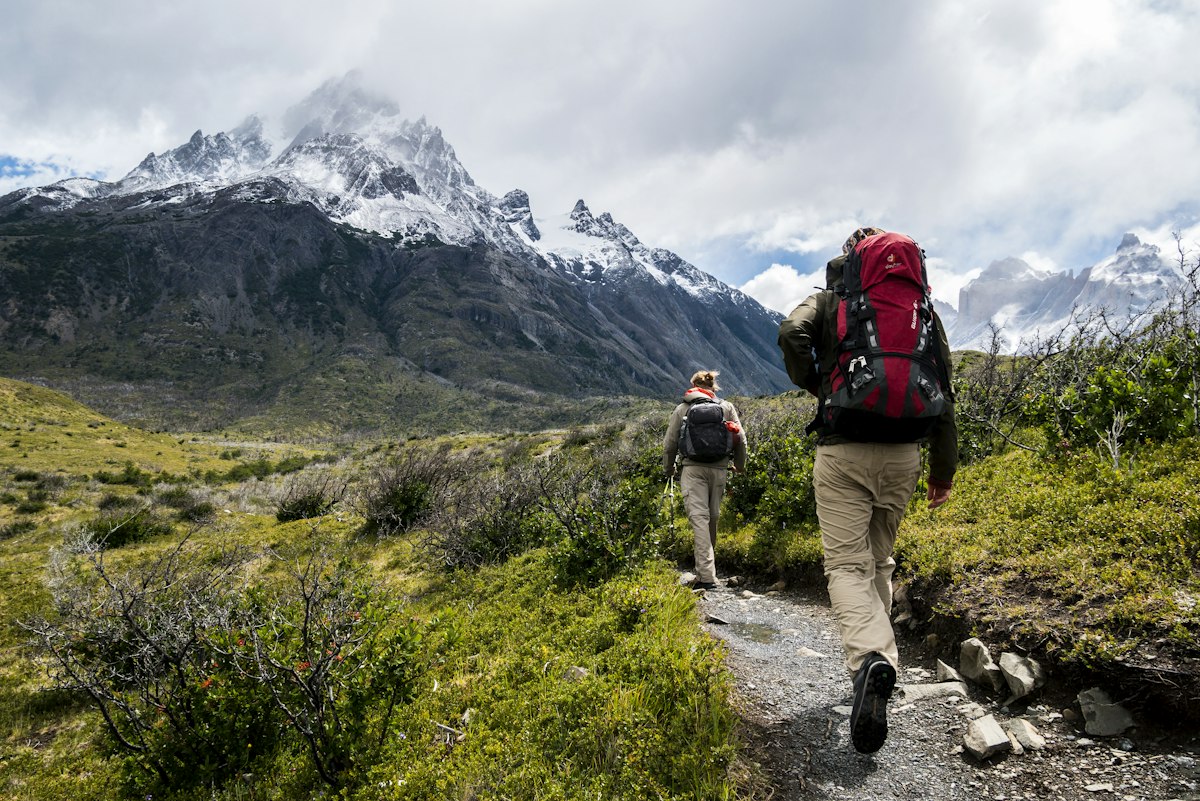
The Himalayas are warming at nearly twice the global average rate. Glacial retreat in Himachal Pradesh has accelerated 26% in the last decade. Every trekker who walks these trails leaves a trace — but with awareness and intention, that trace can be positive rather than destructive.
The Carbon-Positive Model: How Instahimalayas Leads
We built our entire operating model around the principle that tourism revenue should leave the mountains healthier than we found them. Here is the mechanism:
- 5% of every expedition fee is allocated to our Himalayan Restoration Fund
- High-altitude trash collection loops in remote Spiti peaks — our guides carry 3kg of legacy waste per expedition out of high camps
- Native pine afforestation drives in Kullu and Mandi districts — over 2,400 saplings planted since 2023
- Spring water source restoration in partnership with local village councils (panchayats)
The Seven Leave No Trace Principles
1. Plan Ahead and Prepare
Knowledge prevents damage. Understanding the terrain, weather, and regulations prevents emergency situations that lead to trail damage. Our pre-trip briefings include detailed environmental briefings for every expedition.
2. Travel on Durable Surfaces
Stay on marked trails. In fragile alpine zones above 3,500m, even foot traffic can cause long-lasting damage to moss and lichen communities that take decades to recover. Our guides know to redirect from sensitive zones.
3. Dispose of Waste Properly
This is non-negotiable on every Instahimalayas expedition:
- Pack-in-pack-out for all personal waste (sanitary products, wrappers, batteries)
- Human waste is buried in catholes 15–20cm deep, minimum 100m from water sources
- All liquid waste is strained and disposed of at designated gray water points
4. Leave What You Find
Archaeological artifacts, flowers, rocks — everything stays where it is. Our guides brief guests on why even small interventions can disrupt delicate ecosystems.
5. Minimize Campfire Impacts
Where fires are permitted, we use established fire rings. Above 3,500m, campfires are prohibited on all our expeditions — instead, we provide certified low-emission camp stoves with proper fuel canisters.
6. Respect Wildlife
Wildlife in the Himalayas is habituated to human presence but still vulnerable. Maintain 100m distance from all animals. Never feed wildlife — even harmless-looking langurs and Himalayan tahr can become aggressive and dependent.
7. Be Considerate of Other Visitors
Himalayan trails are shared spaces with local villagers, pilgrims, and other trekkers. Keep noise levels respectful, particularly near monasteries and village settlements.
Zero-Waste Trekking: Our Operational Standards
- No single-use plastics — All meals served with reusable ceramic/steel plates and utensils
- Biodegradable toiletries provided — Phosphate-free soap, compostable toothpaste tablets, bamboo toothbrushes
- Water refill stations — Every base camp has filtered water; carry reusable bottles only
- Reusable food containers — Packed lunches use cloth wraps and steel boxes
- Waste sorting — Our expedition teams separate organic, recyclable, and non-recyclable waste at every camp
Community Impact: Where the Money Goes
We employ exclusively local guides and support staff — no imported labor. This means:
- 100% of guiding fees stay in the valley
- Revenue supports local schools in remote Spiti and Lahaul villages
- Women's cooperatives in Kullu produce the food served on our expeditions
- Homestay partnerships ensure families earn directly from tourism
What You Can Do as a Trekker
- Choose operators with transparent environmental policies
- Carry a reusable water bottle and refuse bottled water
- Avoid purchasing single-use plastics along the trail
- Support local communities by buying village products
- Offset your travel carbon through verified programs
- Share the Leave No Trace principles with fellow trekkers
Our 2026 Sustainability Goals
- Achieve zero single-use plastic status on all expeditions
- Plant 5,000 native trees in Kullu district
- Establish 3 new spring water restoration projects in Lahaul
- Achieve carbon neutrality for all base camp operations
- Publish an annual Impact Report (transparent data for all donors)
The mountains gave us everything. It is time we gave something back. Plan your carbon-positive expedition or browse our Spiti Valley Circuit — every booking funds our restoration projects.